 Listicle
Best Health App for Sleep Recovery in 2026
Last Updated: October 23, 2026
Quick Summary
The best health app for sleep recovery tracks sleep stages, identifies disruption patterns, and translates data into personalized recommendations. eeMeds stands out by connecting sleep data to your broader health picture through AI-powered insights, wearable integration, and medical guidance, while Sleep Cycle offers smart alarms and comprehensive tracking at an affordable price.
- eeMeds integrates sleep data with labs, medications, mood, and stress for complete context with AI-powered Behavioral Driver Analysis
- Sleep Cycle uses smart alarm technology to wake you during lighter sleep phases, reducing morning grogginess
- SleepScore provides a structured pathway to improve sleep over time with actionable recommendations rather than data alone
- PrimeNap offers completely free sleep-stage tracking with no paywall or subscription required
- Consumer sleep trackers estimate sleep stages using motion or heart rate sensors; trust trends over absolute numbers for accuracy
Table of Contents
- What Makes a Health App Best for Sleep Recovery
- Top Health Apps and Platforms for Sleep Recovery
- Best Sleep Tracking Apps for iPhone Users
- Free Sleep Tracker for iPhone: Options and Limitations
- Apple Watch Sleep Tracking App Recommendations
- Sleep Tracking App Accuracy: What the Data Actually Tells You
- How to Choose the Right Sleep Recovery App for Your Needs
- Frequently Asked Questions
What Makes a Health App Best for Sleep Recovery
The best health app for sleep recovery does more than track hours in bed. The best apps reveal patterns in your sleep stages, identify what disrupts your rest, and translate data, time in bed, wake time, nighttime awakenings, breathing rate, into personalized recommendations.
The strongest sleep recovery apps integrate with wearables or use phone sensors for automatic tracking, break sleep into stages (light, deep, and REM), calculate a trending sleep score, and explain what their metrics mean for your health.
Most sleep apps track data but leave interpretation to you. The best connect sleep to markers like resting heart rate and heart-rate variability, flag patterns that matter, and suggest specific changes to your bedtime routine.
Top Health Apps and Platforms for Sleep Recovery
Finding the right sleep recovery app depends on your priorities: AI-powered insights, medical integration, free options, or device compatibility. We've evaluated the leading options on tracking accuracy, recovery insights, ease of use, and actionable guidance.
eeMeds: AI-Powered Recovery Insights with Medical Integration
eeMeds stands out because it connects sleep data to your broader health picture in ways most sleep-only apps cannot. Rather than treating sleep as isolated, eeMeds unifies data from wearables, labs, medications, mood, stress, and activity into one wellness record, flagging connections between poor sleep and factors like high stress or a medication change.
Behavioral Driver Analysis adds personal context behind the numbers. Instead of telling you "your sleep score dropped 12%," it explains which factors likely contributed and suggests practical next steps. For users managing chronic conditions, GLP-1 medications, or multiple health concerns, this whole-person approach transforms fragmented data into genuine understanding.
eeMeds also bridges wellness tracking and actual medical care through eeTeleHealth Plus, connecting you with licensed professionals directly when your sleep recovery patterns suggest you need guidance.
Pros:
- AI-powered insights with Behavioral Driver Analysis explain not just what happened, but why
- Integrates sleep data with labs, medications, mood, and stress for complete context
- Device-neutral approach works with any wearable you already own
- Licensed telehealth access built in for medical guidance when needed
- Designed specifically for metabolic health, GLP-1 users, and chronic condition management
Cons:
- Requires setup and data integration from multiple sources (not a standalone app)
- Best value for users managing multiple health factors simultaneously
Best for: Health-conscious adults with wearables who want AI-powered recovery insights connected to medical guidance; people managing chronic conditions, GLP-1 therapy, or metabolic health; busy professionals seeking integrated data-driven wellness without switching between apps.
Sleep Cycle: Comprehensive Sleep Tracking and Smart Alarms
Sleep Cycle balances comprehensive tracking with genuine usability. It monitors your sleep stages and uses smart alarm technology to wake you during lighter sleep phases, reducing grogginess compared to waking mid-deep-sleep cycle.
The app tracks time in bed, wake time, and nighttime awakenings to calculate a sleep score.
Sleep Cycle works with most wearables and uses your phone's accelerometer for automatic tracking if you don't have a smartwatch.
Pros:
- Smart alarm wakes you during lighter sleep stages, reducing morning grogginess
- Comprehensive sleep-stage tracking with clear trend analysis
- Works with wearables or phone-only tracking
- Affordable annual subscription model
- Intuitive interface that doesn't overwhelm with data
Cons:
- Sleep insights are descriptive rather than prescriptive; you interpret the data yourself
- Limited integration with broader health metrics like stress or activity
- No medical professional access
Best for: People seeking a straightforward sleep-tracking app with smart alarm features; users who want trend analysis without overwhelming complexity; anyone looking for an affordable annual subscription option.
SleepScore: Long-Term Sleep Improvement Pathway
SleepScore focuses on your sleep improvement journey rather than just nightly metrics. The app tracks your sleep, then helps you create a structured pathway to improve it over time, valuable for people who've struggled with poor sleep and want guided progress rather than data alone.
The platform emphasizes long-term improvement through personalized recommendations, connecting your sleep patterns to behavioral changes you can actually implement.
Pros:
- Structured pathway to improve sleep over time, not just nightly tracking
- Emphasizes actionable recommendations over raw data
- Long-term trend analysis shows progress toward recovery goals
- Supports behavioral change, not just measurement
Cons:
- Requires subscription commitment to access full features
- Limited device compatibility information in available reviews
- Does not integrate with broader health metrics
Best for: People committed to improving sleep quality over weeks and months; users who prefer guided pathways over self-interpretation of data; individuals seeking behavioral support alongside tracking.
PrimeNap: Free Sleep Stage Tracking
PrimeNap offers free sleep-stage tracking, making it the most accessible option for users who want to understand their sleep architecture without paying. It estimates time in REM, light, and deep sleep, giving you visibility into sleep quality without cost barriers.
Pros:
- Completely free with no paywall or subscription
- Provides sleep-stage breakdown (REM, light, deep)
- Low-commitment way to explore sleep tracking
- No data sharing concerns with premium tiers
Cons:
- Limited feature set compared to paid competitors
- No integration with wearables or broader health data
- Minimal guidance on how to use insights for recovery
- No trend analysis or long-term pathway support
Best for: Budget-conscious users exploring sleep tracking; people wanting to test whether sleep-stage data helps their recovery; users skeptical about paying for wellness apps.
Best Sleep Tracking Apps for iPhone Users
iPhone users have strong options because most leading sleep apps prioritize iOS compatibility. Apple Health Kit integration syncs your sleep data automatically across apps.
For iPhone-specific features, AutoSleep and Livity are consistently rated top Apple Watch sleep trackers, using its sensors for automatic, passive tracking without needing your phone beside your bed.
The key difference: phone-based tracking uses motion sensors to estimate sleep stages, while smartwatch tracking combines motion, heart rate, and sometimes blood oxygen data for potentially greater accuracy.
Free Sleep Tracker for iPhone: Options and Limitations
PrimeNap remains the most straightforward free option for iPhone users. Apple Health itself offers basic sleep tracking at no cost with an Apple Watch, though with minimal guidance beyond duration and consistency.
Free sleep trackers work for initial exploration but come with real tradeoffs. They rarely offer sleep-stage breakdown, trend analysis, or personalized recommendations, and they measure sleep without helping you improve it.
If you're testing whether detailed sleep tracking helps your recovery, start free, but expect to move to a paid app for actionable insights.
Apple Watch Sleep Tracking App Recommendations
Apple Watch users should consider AutoSleep or Livity as dedicated sleep-tracking apps. Both work with Apple Watch sensors and provide automatic, passive tracking without requiring your phone during sleep.
AutoSleep integrates with Health Kit and provides sleep-stage estimates alongside your nightly sleep score. Livity focuses on Apple Watch sleep tracking with trend analysis over time.
For Apple Watch users who want deeper recovery insights, eeMeds integrates watch data alongside other health metrics, providing context watch-only apps cannot.
The choice between dedicated watch apps and integrated platforms depends on whether you want focused sleep tracking or whole-person wellness insights. Watch-only apps are simpler and more passive.
Sleep Tracking App Accuracy: What the Data Actually Tells You
Consumer sleep trackers estimate sleep stages using motion sensors, heart rate, or both.
Phone-based apps estimate sleep stages using motion alone, which is less precise than watch-based tracking that combines motion and heart rate.
This doesn't mean consumer trackers are useless. Trend analysis still matters: if your app shows deep sleep increasing over four weeks after you change your bedtime routine, that trend is likely real even if the absolute numbers are off.
What this means practically: trust your app's trends more than its absolute numbers. If it says you got 2 hours of deep sleep last night, that might be 1.5 or 2.5 in reality.
How to Choose the Right Sleep Recovery App for Your Needs
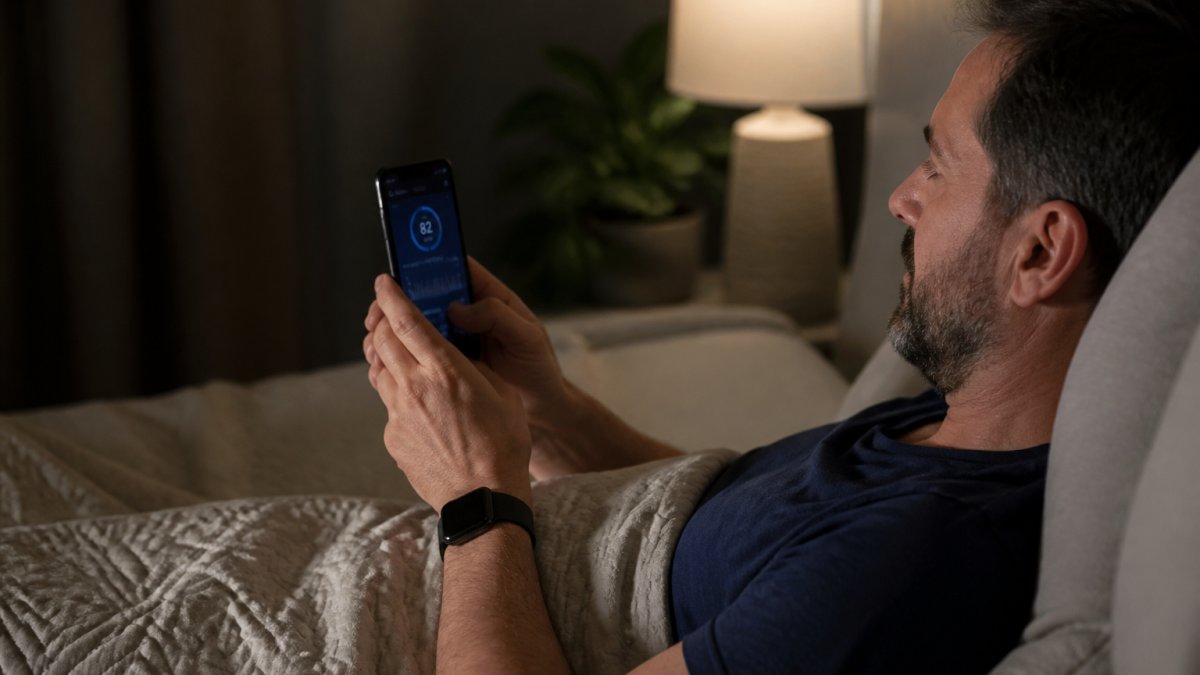
Choosing the right app depends on three factors: your devices, your priorities, and your budget.
Device compatibility matters first. If you own an Apple Watch, watch-based apps like AutoSleep or Livity offer passive tracking. If you use Android, you'll need apps that work with Android Wear or phone-only tracking.
Your priorities determine which features matter. For a simple sleep score and smart alarms, Sleep Cycle delivers efficiently.
Budget shapes your options. Free apps like PrimeNap and Apple Health offer basic tracking.
| App | Best For | Key Feature | Pricing Model |
|---|---|---|---|
| eeMeds | Whole-person recovery with medical integration | AI insights + telehealth + wearable unification | Contact for pricing |
| Sleep Cycle | General sleep tracking with smart alarms | Wake during light sleep to reduce grogginess | $39.99/year |
| SleepScore | Long-term sleep improvement pathway | Behavioral guidance + trend analysis | $50/year or $6/mo |
| PrimeNap | Budget-conscious sleep stage exploration | Free sleep-stage breakdown | Free |
| AutoSleep | Apple Watch passive tracking | Automatic watch-based tracking | Pricing varies |
| Livity | Apple Watch sleep tracking | Apple Watch integration | Pricing varies |
The strongest sleep recovery apps do three things: track accurately enough to spot trends, connect sleep data to context (stress, activity, medications), and translate insights into actions. Most apps do one or two. eeMeds does all three by integrating sleep alongside your complete health picture and connecting you with licensed professionals when needed.
Sleep recovery is personal. Start with Optimize Sleep Recovery With Data: A Guide to understand how data-driven sleep optimization works, then explore AI Health Insights for Recovery: A 2026 Guide to learn how AI evaluates your patterns. For iPhone users specifically, Best App for Wearable Data: 2026 Guide walks through which wearable integration platform works best for your setup.
Frequently Asked Questions
What is the best free sleep tracker for iPhone?
PrimeNap offers a free option that estimates time in REM, light, and deep sleep stages. Apple Health, built into every iPhone, provides baseline sleep tracking at no cost. For more advanced features like smart alarms and detailed recovery metrics, most premium apps require a subscription. Free options work best for users who want to try sleep tracking before investing in a paid platform.
Are sleep-tracking apps accurate?
Consumer sleep tracking apps estimate sleep stages and duration based on movement and heart-rate data, but they cannot match laboratory sleep studies. They work well for tracking trends over time and identifying patterns in your sleep quality, but individual night readings may vary. Apps that integrate wearable devices generally provide more reliable data than phone-based tracking alone. Use them to spot behavioral patterns rather than as medical diagnostics.
Can I track sleep with an Apple Watch?
Yes. Apple Watch has built-in sleep tracking through Apple Health, and third-party apps like AutoSleep and Livity enhance it with detailed sleep-stage breakdowns, smart alarms, and trend analysis. These apps work by monitoring your movement and heart rate throughout the night. For best results, wear your watch throughout sleep and ensure it's charged before bed.
Which sleep tracking app is best for improving recovery?
Apps that combine sleep data with recovery metrics, personalized recommendations, and behavioral insights tend to drive the most improvement. eeMeds integrates sleep tracking with wearable data, medication history, and mood patterns to provide whole-person recovery insights. SleepScore focuses specifically on creating a structured improvement pathway. The best choice depends on whether you want a dedicated sleep app or a broader health platform that includes sleep as one component of overall recovery.