 How-to
How to Track Metabolic Health at Home Step by Step
Last Updated: November 8, 2026
Quick Summary
To track metabolic health at home, log daily sleep, stress, mood and movement, and record a weekly waist measurement and blood pressure. Pair these with periodic lab markers such as fasting glucose, HbA1c and a lipid panel. Review the data for trends over time rather than single readings, and bring the log to your clinician.
- Log sleep, mood, activity and stress daily for two to three minutes.
- Measure waist circumference and morning weight weekly under consistent conditions.
- Take blood pressure twice, a minute apart, sitting quietly for five minutes first.
- Repeat core lab markers every few months, as your clinician directs.
- A single out-of-range home reading is not a diagnosis; repeat it and note context.
Table of Contents
- What Metabolic Health Means and Why Tracking It Helps
- Signs of Metabolic Health and What Your Daily Data Can Show
- Choosing Your Metabolic Health Test and Lab Markers
- Setting Up a Simple Tracking Routine and Log
- Interpreting Your Results Together, Not in Isolation
- Symptoms of Poor Metabolic Health to Take Seriously
- Booking Your Next Check-In With eeMeds and a Clinician
- Frequently Asked Questions
Learning to track metabolic health at home is one of the most practical steps you can take toward understanding your body. Many people wear a fitness tracker or sleep ring every day, yet they still have no clear picture of how their blood sugar, cholesterol and blood pressure are doing. This guide walks you through how to track metabolic health at home, one simple step at a time.
What Metabolic Health Means and Why Tracking It Helps
Metabolic health describes how well your body turns food into energy and manages blood sugar, blood fats and blood pressure. When these systems work well, you tend to have steadier energy and fewer long-term risks. When they drift, the changes often happen quietly, which is why tracking matters.
Tracking gives you a baseline to compare against. A single reading tells you little, but a few weeks of readings show direction. That is the real value: you spot trends early and bring better questions to your doctor.
Signs of Metabolic Health and What Your Daily Data Can Show
Your daily data can hint at metabolic patterns, but it cannot diagnose anything. Look for these signals:
- Resting heart rate: a steady or gradually falling trend often reflects improving fitness
- Sleep consistency: regular bedtimes and fewer wake-ups tend to support better glucose control
- Activity levels: consistent daily movement, including short walks after meals
- Energy and mood logs: notes on afternoon slumps or cravings can reveal eating patterns
Wearable numbers are best read as context. A rising resting heart rate paired with poor sleep and high stress tells a different story than the same number on a rested day.
Choosing Your Metabolic Health Test and Lab Markers
Home tracking works best alongside lab results, but not all markers are measured equally. The core set most clinicians review includes fasting glucose, HbA1c, a lipid panel (total cholesterol, LDL, HDL cholesterol, and triglycerides), blood pressure, and waist circumference. Each has a different measurement method, a different source of error, and a different role in the overall picture.
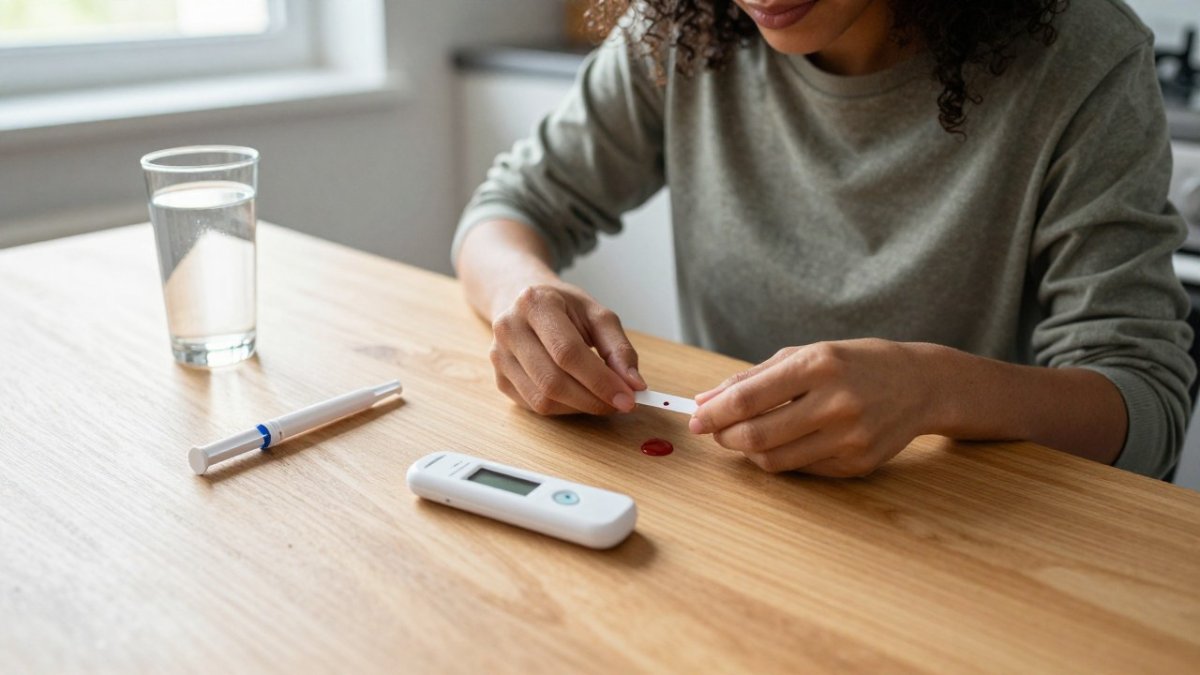
Fasting glucose and HbA1c. Fasting glucose is a snapshot of one moment; HbA1c reflects an average over roughly the past two to three months. A single fasting glucose can be thrown off by a poor night's sleep, stress, or a late meal, while HbA1c is more stable but can be misleading in people with certain blood conditions. Home finger-prick glucose meters are convenient but generally less accurate than a lab draw, and readings vary by meter and technique. Watch out: a single out-of-range home reading is not a diagnosis, repeat it and note the context before drawing conclusions.
Lipid panel. Total cholesterol, LDL, HDL cholesterol, and triglycerides are measured from a blood draw, usually after a 9-12 hour fast. Home lipid devices exist but are not a substitute for a lab panel. Reference ranges vary by lab, so always compare your result to the range printed on your own report rather than a number you found online.
Blood pressure. Home monitors are useful for trends but require correct technique: sit quietly for five minutes, feet flat, arm supported at heart level, and take two readings a minute apart. A common pattern is that home readings run slightly different from clinic readings, so track your own baseline rather than chasing a single number.
Waist circumference. This is a simple tape measure at the midpoint between your lowest rib and the top of your hip bone, measured after a normal exhale. It is one of the most practical markers because it requires no device and tracks body composition changes that scale weight can miss.
When choosing a test, consider accuracy, frequency, and reference ranges. Lab draws are generally more reliable than most at-home finger-prick devices for glucose and lipids. Many people repeat core markers every few months, but your clinician sets the schedule based on your history. Keep your lab results in one place so you can line them up with your daily data later, and remember that trends across markers matter more than any single result.
Setting Up a Simple Tracking Routine and Log
A routine only works if it is easy to keep, so the goal is a repeatable schedule rather than a perfect one. A practical framework is to sort measures into daily, weekly, and periodic buckets.
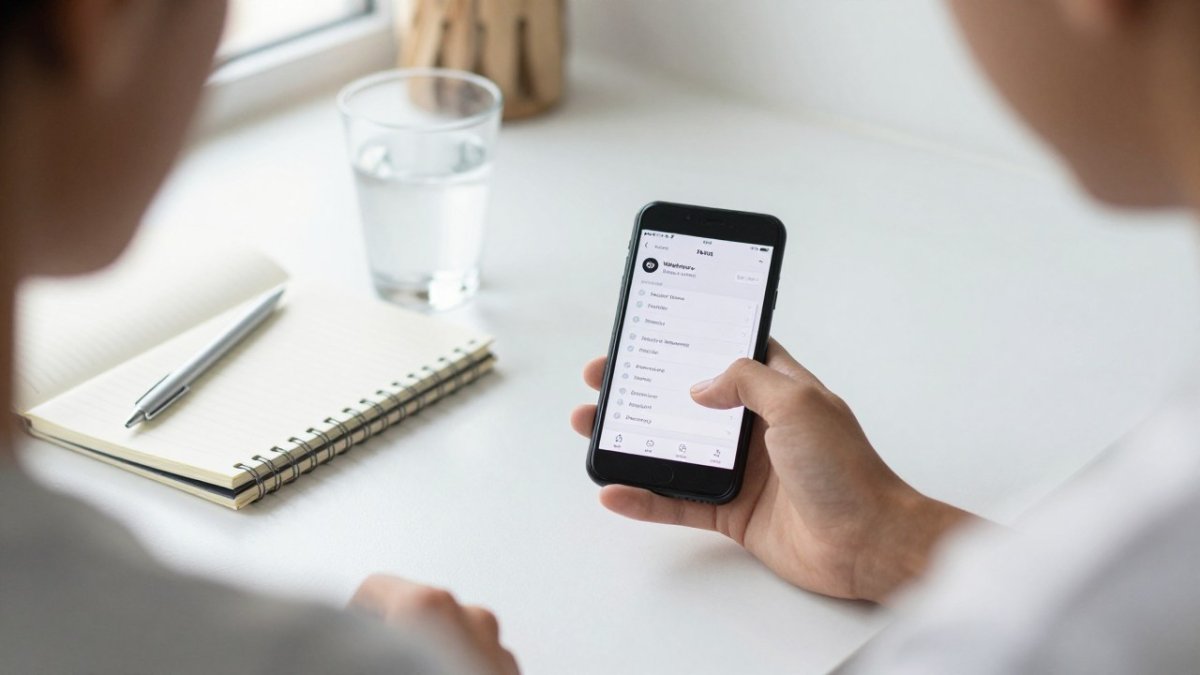
Daily (2-3 minutes): log sleep time and quality, a short mood rating, whether you moved after a meal, and any stress note. If you wear a device, let it capture resting heart rate and activity automatically. These daily notes become the context that makes lab results interpretable.
Weekly (5-10 minutes): measure waist circumference, morning weight (same time, same conditions), and blood pressure if you monitor at home. Take blood pressure twice, a minute apart, and record both readings.
Periodic (every few months, per your clinician): fasting glucose, HbA1c, lipid panel, and any other labs your clinician orders. Note the date, the lab, and whether you were fasting.
A simple tracking log can be a notebook or a spreadsheet with columns for date, measure, value, context (sleep, stress, illness, medication changes), and a follow-up question. For example:
| Date | Measure | Value | Context | Follow-up |
|---|---|---|---|---|
| Mar 3 | Waist | 34 in | Normal sleep | Trend vs. last month? |
| Mar 3 | BP | 122/78 | Rested, morning | Repeat next week |
| Mar 10 | Fasting glucose | 98 mg/dL | 8h fast, good sleep | Discuss with clinician |
Review the log once a week for trends rather than single-day swings. Watch out: changing measurement conditions (different time of day, different cuff, different scale) can create false trends, so keep conditions as consistent as possible.
A tracking app can bring wearable data, lab results, and daily notes into one view. When comparing options, check how well the app connects with the devices you already use and whether it shows trends over time. Our guide on Fitbit vs Apple Health tracking accuracy and features breaks down how two popular platforms compare, and you can browse more guides on wellness apps and wearable data on the eeMeds blog. Look for an app that lets you export records to share with a clinician, and remember that human coaching can help you interpret patterns you might miss on your own.
Interpreting Your Results Together, Not in Isolation
One reading rarely explains much on its own. A high fasting glucose after a poor night's sleep may mean something different from the same reading after a week of good rest. Look at your lab markers, daily habits and wearable trends side by side.
If you have both lab results and wearable data, our step-by-step guide to combining lab results with wearables walks through a practical method. For reading the lab report itself, see how to analyze lab results: a step-by-step guide.
Keep a record of anything that might distort a reading, such as illness, travel, medication changes or a hard workout the day before. These confounding factors matter when you interpret trends.
Symptoms of Poor Metabolic Health to Take Seriously
Some symptoms deserve a conversation with a clinician rather than more tracking. Contact a qualified professional if you notice:
- Persistent excessive thirst or frequent urination
- Unexplained fatigue that does not improve with rest
- Blurred vision or slow-healing sores
- Chest pain, shortness of breath or dizziness
Tracking supports your care. It never replaces a medical evaluation.
Booking Your Next Check-In With eeMeds and a Clinician
Bring your tracking log, lab results and questions to your next appointment. eeMeds combines device-neutral wellness insights with human-guided support, so you can review patterns with a qualified professional rather than guessing alone. If you want to talk with a clinician by video, telehealth support for your needs can be a convenient place to start.
Frequently Asked Questions
How do I tell if I'm metabolically healthy?
Metabolic health is usually judged by a set of markers rather than one number. These typically include fasting blood glucose, blood pressure, triglycerides, HDL cholesterol and waist circumference. Your clinician can compare your results with standard reference ranges and explain what they mean for you. Tracking these markers over time, alongside sleep, activity and stress patterns, gives a clearer picture than any single reading. If you are unsure which markers to check, start with a conversation with your primary care provider.
How often should I check metabolic health markers?
Frequency depends on your health history, your current medications and your clinician's advice. Many people with stable results have blood work reviewed at intervals set by their doctor, while people managing a condition or starting a new medication may be checked more often. Between lab tests, a consistent daily log of sleep, movement and mood can show trends worth discussing. Ask your clinician how often your specific markers should be retested before setting your own schedule.
Can a wearable track metabolic health?
Wearables can record activity, heart rate, sleep and some other signals that relate to metabolic health, but they do not measure blood glucose, cholesterol or triglycerides directly. Their value lies in showing patterns over time, such as whether your activity or sleep changes around the same period as your lab results. Some platforms can bring wearable data together with lab results and daily notes so you can review them side by side. Wearable readings should be treated as trends, not diagnoses.
What symptoms may be associated with poor metabolic health?
Some people notice persistent tiredness, increased thirst, frequent urination, difficulty losing weight around the waist, or changes in mood and energy after meals. These symptoms are not specific to metabolic health and can have many causes. If you notice them persisting, or if you have a family history of diabetes or heart disease, speak with a qualified professional. Only a clinician can assess symptoms and order the right tests.