 Ultimate guide
The Complete Guide to Managing GLP-1 Wellness and Nutrition
Last Updated: October 29, 2026
Quick Summary
GLP-1 wellness is the practice of aligning food, hydration, movement, and monitoring with the slower digestion and reduced appetite that GLP-1 receptor agonists create. Prioritize protein, fiber, and fluids in that order at every meal, and manage side effects by adjusting how you eat, not just what you eat.
- Protein protects lean body mass while the scale moves, so aim for a protein source at every meal.
- Increase soluble fiber gradually and pair every fiber increase with at least an extra glass of water.
- Finish eating 2 to 3 hours before lying down and stay upright for 30 to 60 minutes after meals.
- Track weight and body composition, protein intake, hydration, and the lab values your clinician requests.
- Build each meal around the cheapest protein you can tolerate, then add frozen vegetables and a small starch.
Table of Contents
- How GLP-1 Medications Change Your Nutritional Needs
- What to Eat While Taking GLP-1 Medication
- Managing GLP-1 Side Effects with Food
- Health Tracking During GLP-1 Treatment: What to Monitor
- Nutrition Counseling for GLP-1 Therapy: When and Why It Helps
- Budget-Friendly Meal Planning on a GLP-1
- Your Next Step: Building a GLP-1 Wellness Plan with eeMeds
- Frequently Asked Questions
How GLP-1 Medications Change Your Nutritional Needs
Managing GLP-1 wellness and nutrition starts with one uncomfortable truth: the medication changes the rules of eating, and most people are handed a prescription without a new rulebook.
GLP-1 wellness is the practice of aligning food, hydration, movement, and monitoring with the slower digestion and reduced appetite that GLP-1 receptor agonists create. The drugs work by mimicking glucagon-like peptide-1, a hormone that regulates appetite and gastric emptying.
The practical consequence is a smaller window to get nutrition right. When you eat less, every meal has to carry more weight.
What to Eat While Taking GLP-1 Medication
The short answer: prioritize protein, fiber, and fluids, and eat them in that order at every meal. A common mistake is treating the reduced appetite as permission to eat whatever fits.
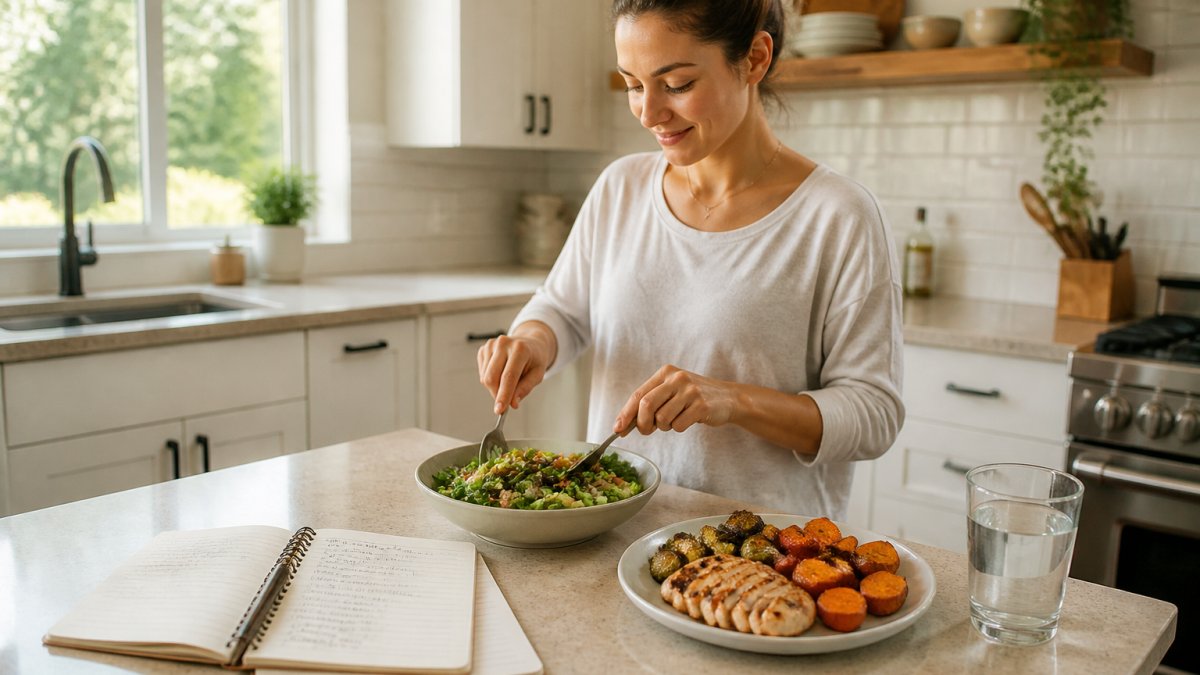
Build plates around a palm-sized portion of protein first, add vegetables and soluble fiber second, and finish with a modest serving of healthy fats. Starchy carbohydrates work better in small amounts, eaten slowly.
Protein, Fiber, and Hydration: The Three Pillars
Protein protects lean body mass while the scale moves. Fiber slows digestion further and helps offset constipation. Hydration keeps digestion and blood glucose control steadier, especially when appetite is low and thirst cues fade.
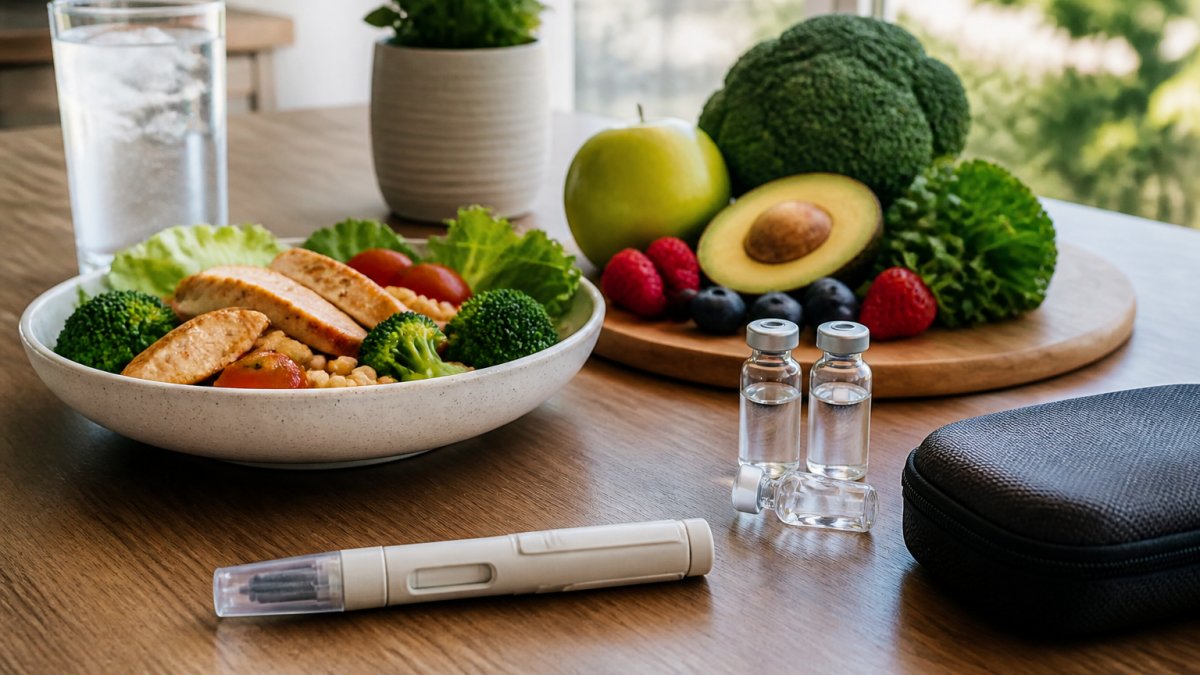
- Protein: eggs, Greek yogurt, fish, chicken, tofu, lentils. Aim for a protein source at every meal, including breakfast.
- Fiber: oats, beans, berries, leafy greens, chia. Increase gradually to avoid bloating.
- Fluids: water, broth, herbal tea. Sip between meals rather than during them, since liquids fill a reduced stomach fast.
Managing GLP-1 Side Effects with Food
Most gastrointestinal side effects respond to how you eat, not just what you eat. Nausea, constipation, and reflux are the three most common complaints, and each has a practical food protocol you can start today. The goal is not to eliminate side effects entirely, some are a normal part of the medication working, but to keep them from interfering with nutrition and daily life.
Nausea: The Small, Cold, Slow Protocol
Nausea is most common during dose increases and when the stomach is either too empty or too full. The fix is to avoid both extremes.
- Eat before the nausea peaks. For many people, that means a small protein-forward snack within an hour of waking, before coffee or a full meal.
- Choose cold or room-temperature foods when queasiness is worst: Greek yogurt, cottage cheese, chilled chicken, smoothies, and crackers often sit better than hot, aromatic meals.
- Separate liquids from solids. Drinking during a meal fills a slowed stomach quickly; sip fluids between meals instead.
Constipation: Fiber Plus Fluid, Not Fiber Alone
Constipation happens because GLP-1 medications slow gastric emptying and gut transit. Fiber without enough water makes it worse, not better, think of fiber as the broom and water as the flush.
- Increase soluble fiber gradually: oats, chia, psyllium, beans, lentils, apples, and berries. Add one new fiber source every few days rather than all at once.
- Pair every fiber increase with extra fluids, at least an extra glass of water per high-fiber meal.
- Include healthy fats such as olive oil, avocado, and nuts; they help keep things moving.
Reflux and Acid Taste: Small, Upright, and Early
Reflux and a sour taste in the mouth are common when the stomach empties slowly. The strategy is to reduce pressure on the stomach and keep meals small.
- Keep portions small and eat earlier in the evening, aim to finish eating 2-3 hours before lying down.
- Stay upright for 30-60 minutes after meals.
- Go easy on acidic foods, carbonated drinks, caffeine, and alcohol, which relax the lower esophageal sphincter.
| Side Effect | First-Line Food Fix | What to Avoid |
|---|---|---|
| Nausea | Small cold meals, slow chewing, ginger | Fried, greasy, heavily spiced food |
| Constipation | Soluble fiber plus extra fluids, daily movement | Fiber without water |
| Reflux | Small portions, upright after meals, early dinner | Acidic and carbonated drinks, late meals |
Health Tracking During GLP-1 Treatment: What to Monitor
Track four things: weight and body composition, protein intake, hydration, and lab values your clinician requests. Weight alone tells you little, because some loss comes from muscle. Body composition and protein intake tell the fuller story.
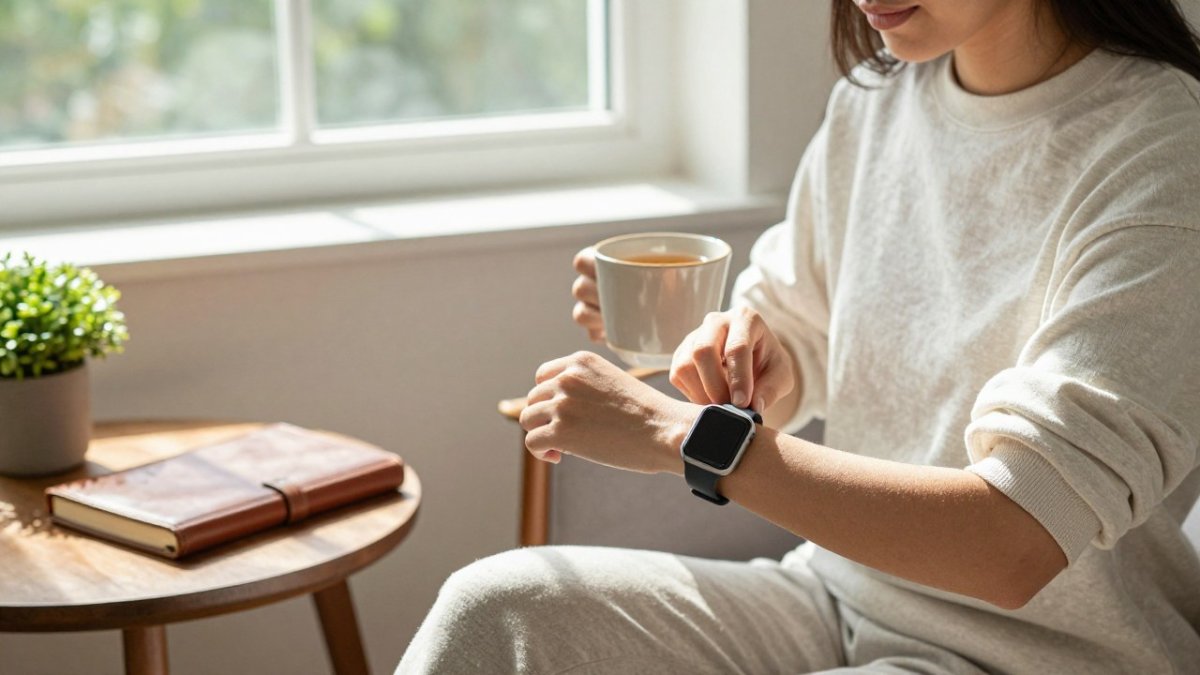
Wearables can help by surfacing sleep, activity, and recovery patterns that influence appetite and energy. For a closer look, read can wearables help monitor your GLP-1 progress, and if you are combining device data with bloodwork, this guide to combining lab results with wearables explains the workflow. When the lab report arrives and the numbers mean nothing, our step-by-step guide to analyzing lab results walks through it.
Nutrition Counseling for GLP-1 Therapy: When and Why It Helps
Nutrition counseling helps when appetite drops faster than your ability to plan around it, or when side effects, muscle loss, or nutrient gaps start interfering with daily life.
Signs it is time to get support: persistent nausea, unintended muscle loss, poor protein intake, or micronutrient deficiency showing up in bloodwork. Where virtual support fits, licensed telehealth consultations can connect you with a qualified professional without a clinic visit.
Budget-Friendly Meal Planning on a GLP-1
Eating well on a GLP-1 does not require specialty products, protein powders, or pricey meal-delivery plans. In fact, the smaller portions that come with reduced appetite mean a standard recipe stretches further, so the same grocery budget can go further if you plan around cheap, nutrient-dense staples.
The Cheapest High-Protein Foods (and How to Use Them)
Protein is the non-negotiable nutrient on a GLP-1, but it does not have to be expensive. These are consistently among the lowest-cost protein sources per serving:
- Eggs, boil a batch at the start of the week for fast breakfasts and snacks.
- Canned fish (tuna, salmon, sardines), high protein, shelf-stable, and rich in omega-3s.
- Beans and lentils, cheap, high in fiber, and versatile in soups, salads, and bowls.
A Sample Low-Cost Weekly Framework
You do not need a different meal every day. A short rotation of five meals you can cook without thinking is cheaper, less wasteful, and easier to follow when appetite is low.
- Breakfast: eggs with frozen spinach, or Greek yogurt with frozen berries and oats.
- Lunch: lentil soup or bean salad with canned fish.
- Dinner: frozen chicken or tofu stir-fry with frozen vegetables and a small portion of rice.
Shop Once, Portion Small, Freeze the Rest
Because GLP-1 portions are smaller, batch cooking pays off twice, you save money and you always have a protein-forward meal ready when appetite arrives. Cook once, portion into small containers, and freeze what you will not eat within three days.
- Choose two protein anchors for the week (e.g., eggs and frozen chicken)
- Batch-cook and freeze in small portions
- Buy frozen vegetables and fruit, cheaper and less waste
Where the Money Actually Goes
The biggest budget leaks on a GLP-1 are usually not groceries, they are specialty protein shakes, supplements you may not need, and takeout ordered because nothing was prepped. Before buying a new product, ask whether a whole-food equivalent (eggs, yogurt, beans) would do the same job for less. If you do use protein powder, buy a plain, large tub rather than single-serve packets.
Your Next Step: Building a GLP-1 Wellness Plan with eeMeds
The hardest part is not the first month. It is the transition off the medication and the long-term maintenance that follows, when appetite returns and old habits resurface.
eeMeds unifies wearable data, lab results, medication experience, mood, sleep, and routines into one multidimensional wellness record, while Behavioral Driver Analysis™ adds context to the patterns your data reveals. eeTeleHealth Plus™ connects you with licensed professionals when a human conversation is the right next step. See how the eeMeds program works before you begin.
Frequently Asked Questions
What should I eat while taking a GLP-1 medication?
Focus on small, frequent meals built around lean protein (chicken, fish, tofu, eggs), soluble fiber (oats, beans, apples), and healthy fats (avocado, olive oil). Eat slowly and stop when you feel full, since GLP-1 medications slow gastric emptying and reduce appetite. Keep hydration steady throughout the day. A registered dietitian can tailor portions and food choices to your tolerance and metabolic goals.
How can I get enough protein while taking a GLP-1 medication?
Aim for protein at every meal and snack: Greek yogurt, cottage cheese, eggs, poultry, fish, lentils, and protein shakes if solid food feels difficult. Spreading protein across the day supports muscle mass preservation while you lose weight. If nausea makes large portions hard, try smaller amounts more often. Your clinician or dietitian can help you set a daily protein target based on your body weight and activity level.
How can I manage nausea and other digestive side effects with food?
For nausea, choose bland, low-fat foods like crackers, rice, bananas, and clear broths, and avoid greasy or spicy meals. For constipation, increase soluble fiber and water intake. For reflux, eat smaller portions and avoid lying down right after eating. If side effects are severe or persistent, contact your prescriber, as dose timing or medication adjustments may be needed.
What health markers should I track during GLP-1 treatment?
Track weight, waist circumference, blood pressure, and blood glucose if you have diabetes. Wearables can monitor sleep, heart rate, and activity, while lab work checks nutrient levels like vitamin D, B12, and iron. Logging mood and side effects helps reveal patterns. eeMeds unifies data from wearables, labs, and medication logs so you and your care team can see how nutrition and lifestyle changes affect your metabolic health over time.
Do I need nutrition counseling for GLP-1 therapy?
Counseling helps you build sustainable eating habits, protect lean body mass, and prevent nutrient deficiencies while appetite is reduced. A dietitian can design a plan around your side effects, budget, and food preferences. It is especially useful when transitioning off the medication to reduce weight regain risk. Ask your prescriber for a referral to a registered dietitian.
How can I maintain muscle while losing weight on a GLP-1 medication?
Combine adequate protein intake with resistance training two to three times per week. Even bodyweight exercises at home help preserve lean body mass. Prioritize protein at breakfast and after exercise, and stay hydrated. Track your body composition, not just weight, to see whether you are losing fat while keeping muscle. A clinician can review your plan and adjust as needed.
The challenge is not starting a GLP-1 wellness plan; it is keeping it coherent when appetite, energy, and lab values keep shifting. eeMeds brings device neutrality, lab results alongside daily wellness data, and a human-guided pathway together in one place. Get started with eeMeds and build a GLP-1 wellness plan you can actually sustain.